
 Pratik Agrawal
Tehran calls Washington’s demands excessive as the Iran US deal remains out of reach, with both sides still divided over ending their conflict, Reuters reports.

Tehran Rejects Washington’s Terms
Iran and the United States remain far from any Iran US deal to end their ongoing conflict. This comes from Reuters, which cited a senior Iranian official on November 3.
The official said Tehran will not accept what it calls excessive demands from Washington. According to the report, ”Iran and the US are far from reaching an agreement to end the war… Tehran will not accept “excessive demands” from Washington.”
This statement shows how wide the gap still is between the two nations. Despite months of tension, neither side has moved closer to a workable Iran US deal.
Hormuz Strait Conditions Must Be Met
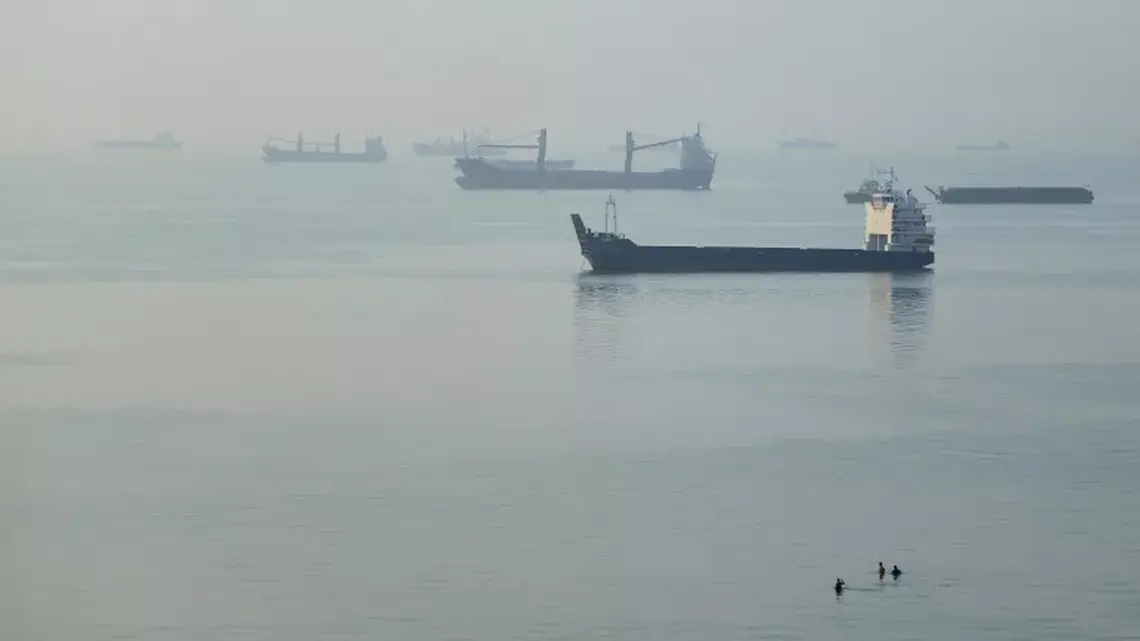
The Iranian official added that Tehran’s conditions need to be satisfied before the Strait of Hormuz reopens fully. This narrow waterway plays a huge role in global energy trade.
Iran has made it clear that any Iran US deal must address its concerns around this key route. Without that, shipping through the strait will likely stay disrupted.
Conflict Began in Late February
The United States and Israel launched strikes on targets inside Iran on February 28. Iran responded with its own counterattacks soon after.
Although the fighting has quieted down recently, the situation remains unresolved. Experts warn that renewed clashes could still break out at any moment.
The lack of progress toward an Iran US deal keeps tensions simmering across the region. Both Washington and Tehran appear unwilling to soften their positions for now.
Oil Shipping Takes a Major Hit
The standoff between Iran and the US has nearly halted shipping through the Strait of Hormuz. This route carries massive volumes of crude oil, refined products, and liquefied natural gas.
As a direct result, fuel prices have climbed in most countries around the world. Markets continue watching closely for any sign of a breakthrough in the Iran US deal talks.
Until Tehran and Washington find common ground, global energy supplies may stay under pressure. Analysts say a lasting resolution depends heavily on compromise from both sides.

 Mayur Mohta
 Akshay Didwaniya

 Aditya Didwaniya