 Akshay Didwaniya
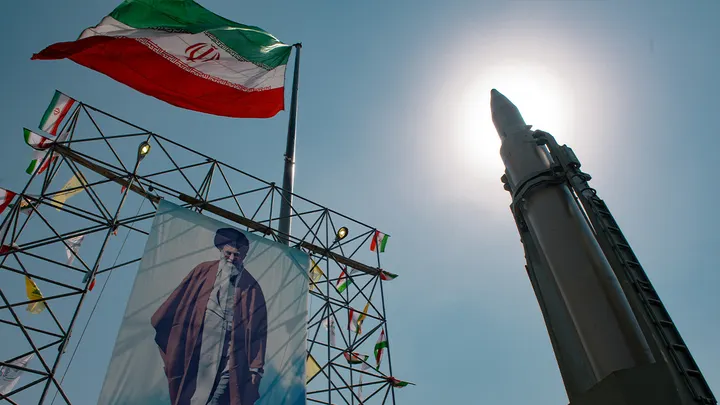
In a startling cabinet meeting remark, US President Donald Trump threatened to destroy Oman a long-standing American ally if it joins Iran in asserting control over the Strait of Hormuz, the world’s most critical oil shipping lane.

Trump’s Cabinet Room Bombshell
US President Donald Trump dropped a jaw-dropping threat during a White House cabinet meeting on Wednesday. A journalist asked whether he would accept a short-term arrangement one that lets Iran and Oman jointly manage trade through the Strait of Hormuz. Trump’s answer was swift and blunt.
“Nobody is going to control it. It’s international waters and Oman will behave just like everybody else, or we will have to blow them up,” Trump said flatly.
He quickly softened the tone slightly, adding that Oman understood his position and “they’ll be fine.” Still, the remark sent shockwaves through diplomatic circles. Threatening a long-standing US ally with military force even in passing is extraordinary by any measure.
What Sparked the Threat
The threat came on the back of a report by Iran’s state television. The report claimed that Tehran and Muscat had been working on a memorandum of understanding one that would give both Iran and Oman joint authority over the waterway. Under the reported draft, the two nations would charge ships a toll to pass through the strait.
The White House wasted no time firing back. Trump’s administration dismissed the report as “a complete fabrication.” But the president still took the threat seriously enough to issue a public warning at the cabinet table.
Why the Strait of Hormuz Matters So Much
The Strait of Hormuz is not just any waterway it is the jugular vein of the global energy supply. More than 20 percent of the world’s oil traffic flows through this narrow passage daily. Global agricultural fertiliser shipments also move through the route. A disruption there sends shockwaves across fuel markets worldwide.
The strait has functioned as a free international passage for decades. Since the US-Israel war on Iran began in February 2026, the waterway has been all but shut down triggering a global fuel crisis and skyrocketing oil prices.
Iran “Trying to Outwait Me” Trump
During the same cabinet session, Trump accused Iran of deliberately dragging out peace negotiations. He claimed Tehran was banking on political pressure building in Washington specifically targeting the November midterm elections as a point of leverage.
“They would like to control it nobody’s going to control it,” Trump repeated, making his position crystal clear. He also said the US would “watch over” the strait, but would not hand authority to any nation.
Republican Hawks Push Back on Peace Talks
Trump’s threat to Oman came amid a rare internal tension within his own party. Over the weekend, he had hinted he was close to securing a ceasefire deal with Iran only to face sharp criticism from Republican hardliners.
Senator Roger Wicker, chairman of the Senate Armed Services Committee, called the rumoured 60-day ceasefire “a disaster.” Wicker warned that everything achieved by “Operation Epic Fury” would be rendered pointless by such a deal.
Oman’s Delicate Position
Oman has long walked a diplomatic tightrope in the region. The Gulf nation has historically maintained neutral ties with Iran even as it hosts US Navy ships at its strategic Port of Duqm, a deep-water facility located outside the Strait of Hormuz.
Oman has quietly served as a back-channel between Washington and Tehran during sensitive negotiations for years. Trump’s open threat however casual in delivery now puts Muscat in an uncomfortable spot on the world stage.
A Broader Pattern of Escalation
This latest outburst fits into a wider pattern of Trump’s increasingly aggressive posture around the Strait of Hormuz crisis. Earlier this year, he threatened to “reign down hell” on Iran if it did not open the strait within 48 hours. He also threatened to destroy Iran’s power plants and oil infrastructure if talks failed. He pressed NATO allies and China to send warships to the waterway.
The crisis which began on 28 February 2026 has already claimed merchant ships, seafarers’ lives, and triggered a historic global fuel shock. Trump’s latest remarks make clear he has no intention of letting any nation, ally or adversary, close off the world’s most vital oil artery.


 Mayur Mohta
 Pratik Agrawal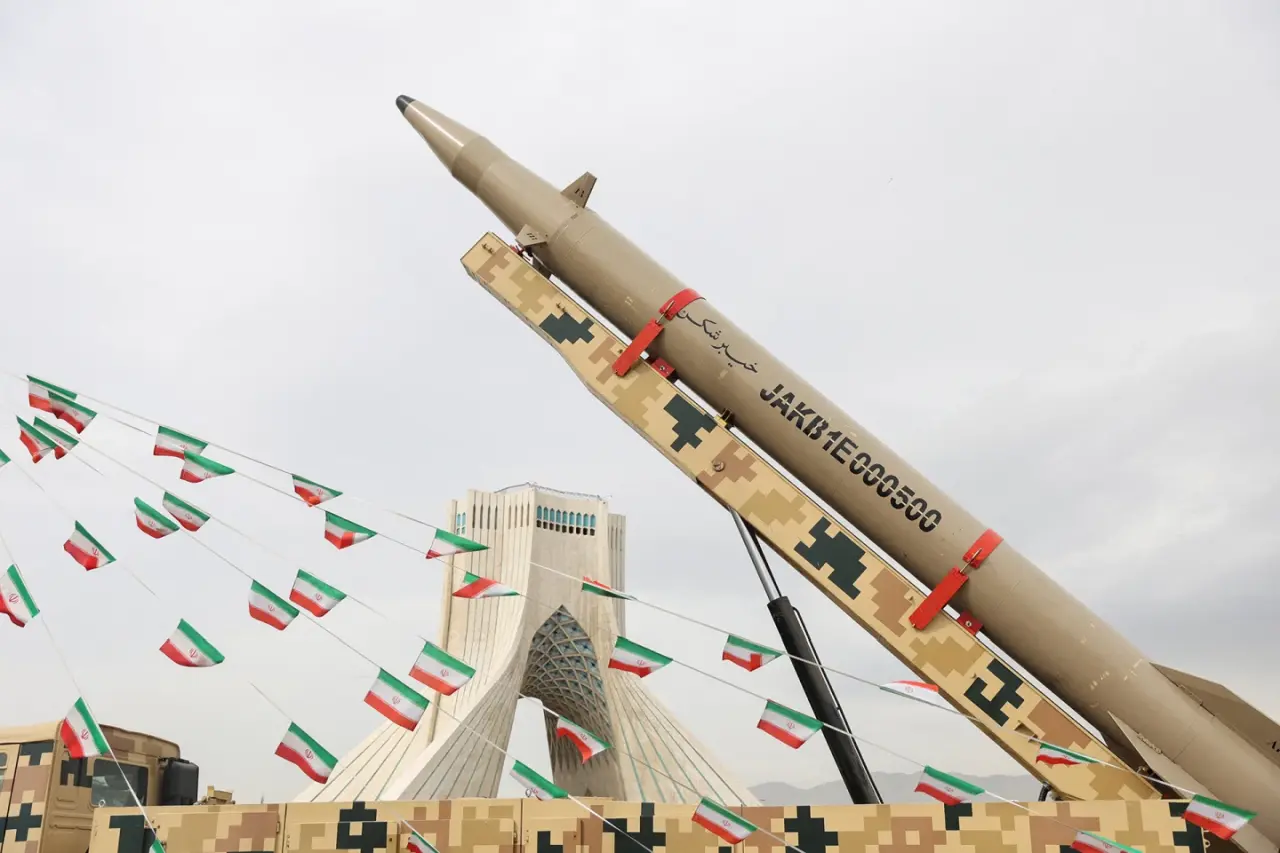
 Aditya Didwaniya