 The BRICS Times
Tehran recalls ambassadors to Britain, France, and Germany; Iranian rial hits record low amid escalating crisis, US pushes for talks

UN reimposes sanctions on Iran
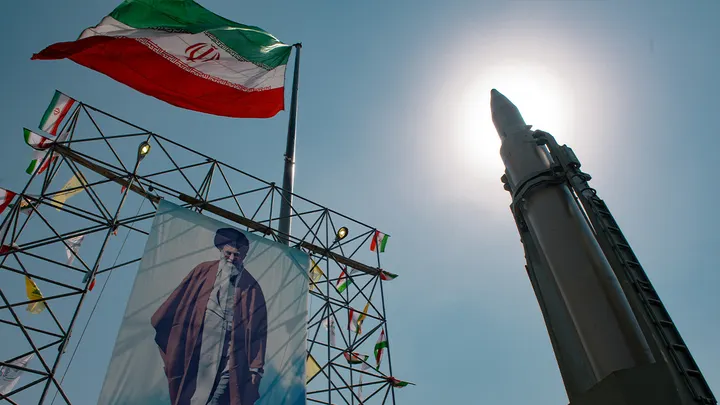
The United Nations has reintroduced an arms embargo and multiple sanctions on Iran, starting early Sunday, after a move initiated by key European powers. Tehran has warned that the action will be met with a strong reaction.
Britain, France, and Germany pressed the UN Security Council to act, accusing Iran of violating the 2015 nuclear agreement designed to prevent the country from building nuclear weapons.
Also Read Russia Quietly Signs Deal with Iran to Build 8 Nuclear Power Plants
Iran’s stance and nuclear tensions
Iran has repeatedly denied pursuing nuclear weapons. However, it continues to enrich uranium to levels without peaceful use, restricts UN inspectors, and threatens Israeli cities. The collapse of the decade-old nuclear deal—signed with Britain, Germany, France, the US, Russia, China, and Iran—adds to Middle East tensions. This comes just months after US and Israeli strikes targeted Iranian nuclear facilities.
Timing of the sanctions return
The UN Security Council reinstated sanctions at midnight GMT (3 a.m. Israel time, 8 p.m. EDT). Earlier attempts to delay them during the UN General Assembly failed. The return includes restrictions first adopted between 2006 and 2010.
Europe urges compliance
“We urge Iran and all states to abide fully by these resolutions,” Britain, France, and Germany said in a joint statement. Tehran reacted by recalling its ambassadors from London, Paris, and Berlin. Iranian President Masoud Pezeshkian added that Iran would remain within the Non-Proliferation Treaty.

Also Read Iran Angered Over Ban Demand, Recalls Ambassadors from Three European Nations
Russia calls sanctions illegal
Russia dismissed the move as unlawful. “It is unlawful, and it cannot be implemented,” Russian Foreign Minister Sergei Lavrov told reporters. He warned UN Secretary-General Antonio Guterres that acknowledging the return of sanctions would be “a major mistake.” Despite Moscow’s objections, the UN website updated its sanctions page almost immediately.
Diplomacy remains possible
European powers signaled a willingness to delay sanctions if Iran restored inspector access, reduced enriched uranium stockpiles, and engaged with the US. “The reimposition of UN sanctions is not the end of diplomacy,” the three European ministers said. They urged Iran to avoid escalation and respect its safeguards obligations.
US Secretary of State Marco Rubio echoed that message, stressing that diplomacy remains “the best outcome for the Iranian people and the world.” He said Washington expects Iran to enter direct, good-faith talks. Rubio emphasized that sanctions must be applied “immediately” to pressure Iranian leaders.

Iran’s economic struggles worsen
Iran’s economy is already under severe pressure from US sanctions reimposed in 2018 after former President Donald Trump exited the nuclear deal. The Iranian rial continued its steep decline, dropping to 1,123,000 per US dollar on Saturday from 1,085,000 on Friday.
What the sanctions include
The renewed UN sanctions cover a broad range of restrictions. These include a complete arms embargo, a ban on uranium enrichment and reprocessing, and prohibitions on missile activities linked to nuclear delivery. A travel ban and asset freeze on dozens of Iranian individuals and entities are also back in place.
Additionally, all countries must seize and dispose of prohibited items. Iran is barred from investing in uranium mining, production, or nuclear-related technology abroad.


 Mayur Mohta
 Pratik Agrawal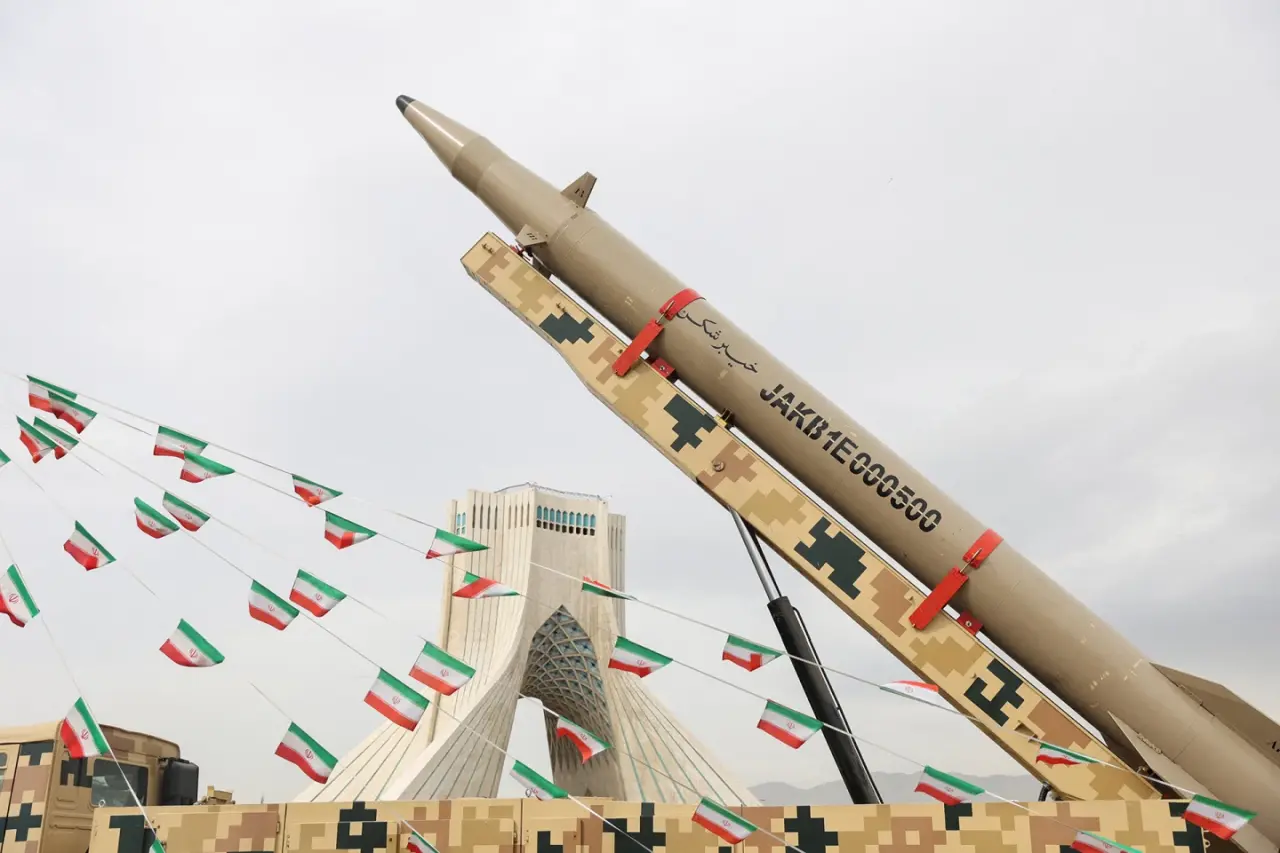
 Akshay Didwaniya
 Aditya Didwaniya