 Akshay Didwaniya
Tehran draws a firm line after the US-Iran conflict ends, shipping conditions through the world’s most critical oil chokepoint will change permanently, with no room for negotiation.

Iran Shuts the Door on Pre-War Hormuz Shipping Rules
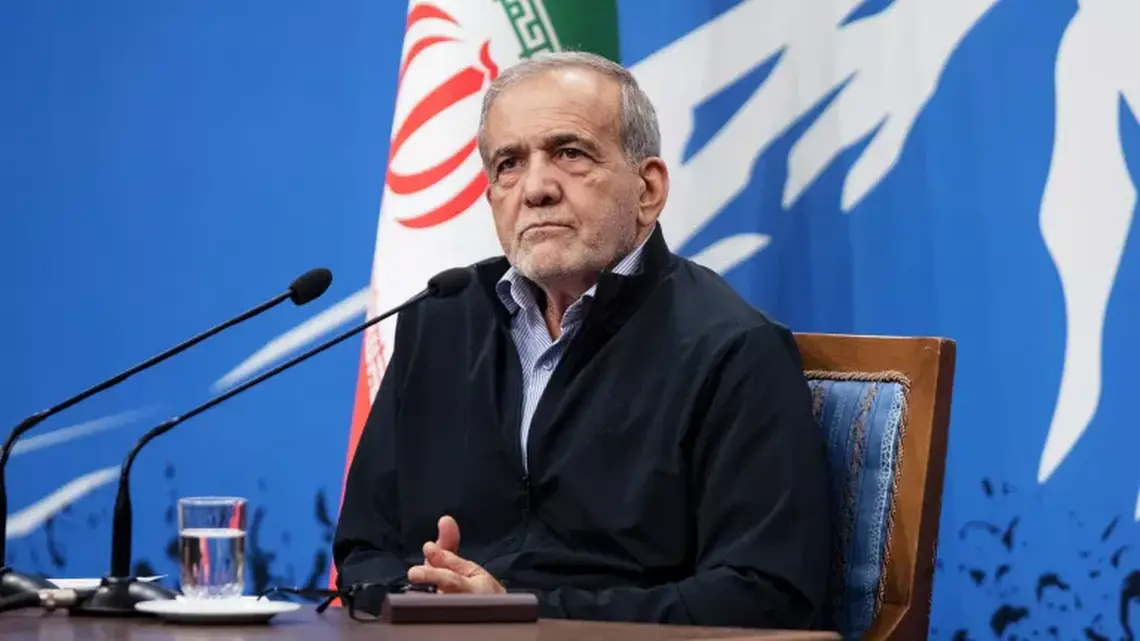
The head of the Iranian parliament’s National Security and Foreign Policy Committee Ebrahim Azizi made a pointed declaration on May 31. He told reporters that shipping rules in the Strait of Hormuz will not return to what they were before the conflict with the United States.
“Returning to the situation that existed before the war meaning conditions where hostile states, their warships, or other unfriendly vessels could freely pass through the strait, enter the Persian Gulf, and take actions against us is out of the question,” Azizi stated firmly.
Tehran Rules Out Any Bargaining Over Hormuz
Iran’s position goes even further than a policy shift. Azizi made clear that Tehran will not put Hormuz access on the negotiating table. The strait will not become a bargaining chip not now, not after any deal.
This hardened stance carries enormous weight on the global stage. Hormuz is one of the world’s most vital arteries for oil trade. After the US-Israeli military operation against Iran, Tehran shut down the waterway. The closure triggered fuel price spikes and drove up industrial goods costs across most of the world.
Hormuz Access Sits at the Heart of Peace Talks
Reopening the strait remains one of the central issues in ongoing discussions around a possible US-Iran deal to end the conflict. However, Iran’s latest warning signals that any agreement even if reached may come with strings attached for who gets to sail through freely.
The situation grows even more complex as reports emerged on the same day that US President Donald Trump has reportedly hardened his conditions for a deal with Iran. With Tehran refusing to return to the pre-war status quo in Hormuz, and Washington reportedly raising its own demands, a resolution remains deeply uncertain.

 Aditya Didwaniya

 Pratik Agrawal
 Mayur Mohta