 Pratik Agrawal
India’s biggest private fuel seller, Nayara Energy, has dropped petrol and diesel prices for the first time in over two years. The US-Iran ceasefire and the reopening of the Strait of Hormuz triggered the move. But state-owned oil giants IOC, BPCL, and HPCL are yet to follow suit.

Good news has finally arrived at the fuel pump for millions of Indians. Nayara Energy, India’s largest private fuel retailer, has slashed petrol prices by ₹5 per litre and diesel by ₹3 per litre. The cuts cover all of its more than 7,000 fuel stations across the country. This is the first time any fuel company in India has reduced retail fuel prices in over two years.
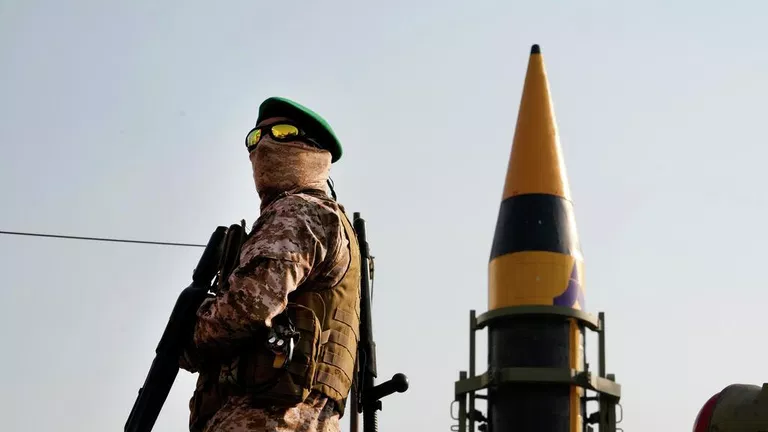
So, what changed? The short answer: the world got a little less tense. Global crude oil prices have dropped sharply after a ceasefire deal between the United States and Iran. Earlier this year, the Strait of Hormuz a critical maritime route handling nearly one-fifth of the world’s crude oil shipments faced threats of disruption. That fear had pushed crude prices well above $110 per barrel. Now, with the waterway back open and oil flowing freely, Brent crude trades around $73 per barrel and US WTI crude hovers near $70 per barrel.
Nayara Energy had actually been the first private retailer to hike prices when the West Asia crisis erupted. On March 26, it raised petrol by ₹5 per litre and diesel by ₹3 per litre. Now, with global market conditions improving significantly, Nayara Energy has reversed those hikes entirely putting money back in customers’ pockets.
“The pricing decision follows a drop in the price of the global benchmark crude oil from above $110 to $72-$73 a barrel,” noted an industry expert. The average price of India’s crude oil basket has now fallen below the $70 per barrel mark even lower than the pre-conflict levels from mid-February.
Industry insiders point out that lower global oil prices have allowed Nayara Energy to pass on real savings to consumers at the pump. However, the final price customers pay will differ from state to state. That is because Value Added Tax (VAT) rates and other local charges vary across different states.
Big Three PSUs Stay Put
The big question everyone is now asking: Will the state-owned oil majors follow Nayara Energy’s lead? So far, Indian Oil Corporation (IOC), Bharat Petroleum Corporation Ltd (BPCL), and Hindustan Petroleum Corporation Ltd (HPCL) have kept their prices unchanged. Together, these three companies control over 90% of India’s 1,00,000-plus fuel stations. Their pricing decisions affect the vast majority of Indian fuel buyers.
At IOC outlets in Delhi, petrol still sells at ₹102.12 per litre. Diesel remains priced at ₹95.20 per litre. The PSUs had themselves raised prices on May 25 by ₹2.50 per litre. In total, fuel prices had jumped by around ₹7.50 per litre since mid-May a two-year high. Experts say a reduction in retail prices would help cool inflation, especially with food inflation risks looming due to a super El Niño weather event.
In a separate but related development, Oil Marketing Companies (OMCs) have already slashed commercial LPG cylinder prices by ₹174 effective July 1. Domestic LPG cylinder prices, however, are still awaited.
Market observers say all eyes are now firmly on IOC, BPCL, and HPCL. With Indian crude basket prices already below $70 per barrel below pre-war levels the pressure on public sector oil companies to pass on the benefit is mounting fast.

 Aditya Didwaniya
 Akshay Didwaniya

 Mayur Mohta