 The BRICS Times
The fourth day of the United Nations General Assembly’s general debate continued as Israeli Prime Minister Benjamin Netanyahu, facing an arrest warrant from the International Criminal Court for alleged war crimes, delivered his address.

Netanyahu’s Address Amid Boycott
Israeli Prime Minister Benjamin Netanyahu delivered his speech at the United Nations General Assembly (UNGA) during an intense period of criticism over Israel’s war in Gaza. As he began speaking, the assembly hall appeared nearly vacant because numerous representatives left before his address in protest.
Applause from Israeli Delegation
Despite the boycott, Netanyahu received loud applause from Israel’s delegation after he declared that Israel had destroyed hundreds of pagers used by Hezbollah members in Lebanon. According to a CNN report, at least 37 people died in those blasts, including several children, while nearly 3,000 were injured, as Lebanon’s Health Ministry reported at that time.

Netanyahu Highlights Actions Against Iran and Houthis
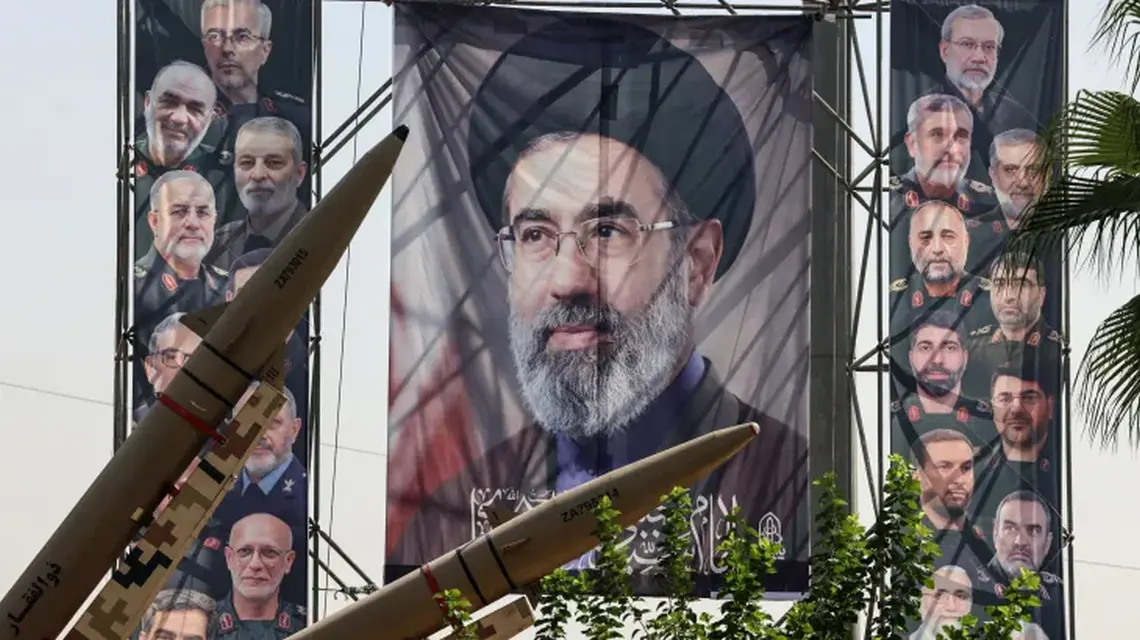
Beginning his speech, Netanyahu strongly emphasized Israel’s operations against Iran and its allies. He stated, “Over the past year, we carried out multiple strikes on Houthi rebels, including the one yesterday. We dismantled most of Hamas’s strength and weakened Hezbollah by destroying many of its leaders and weapons.”
Also Read “In Qatar, We Did What America Did After 9/11,” Says Netanyahu After Attack
“Our Work Against Hamas Is Not Over” – Netanyahu
Netanyahu acknowledged that Hamas has lost much of its power but insisted that the group still poses a significant threat. “Hamas has vowed to repeat violence like October 7. With our people’s resilience, our soldiers’ courage, and our bold decisions, Israel has risen from its darkest day to achieve one of the greatest military comebacks in history. But our mission is not yet complete,” he said.
Netanyahu to Meet Trump on Monday
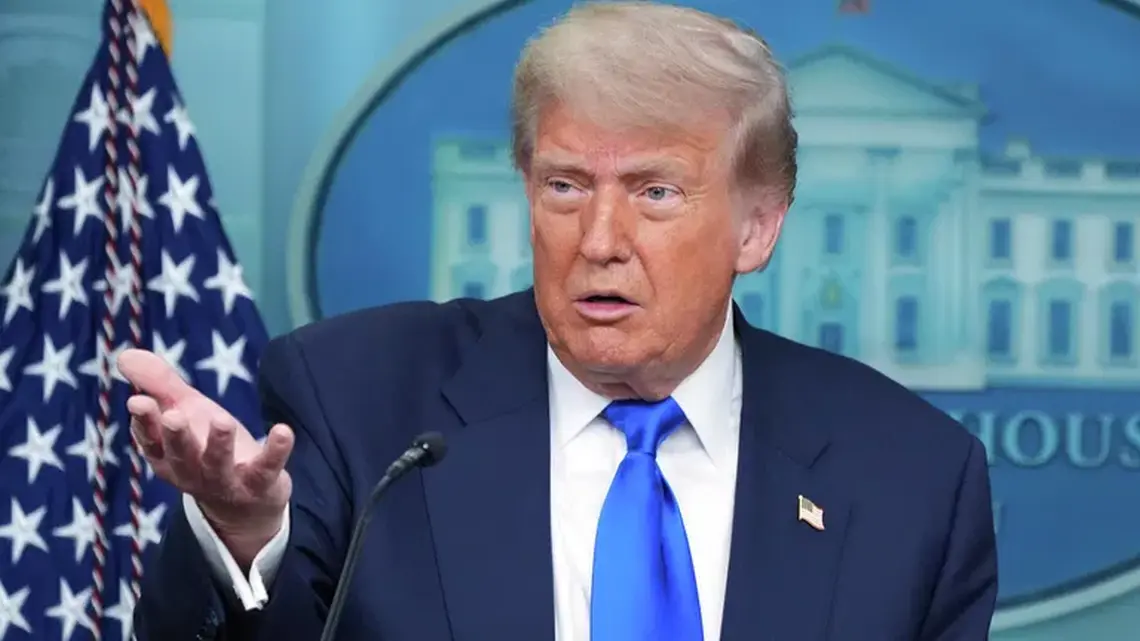
Netanyahu is scheduled to meet U.S. President Donald Trump on Monday. Trump has pledged to prevent Israel from attempting to annex the West Bank. This comes shortly after Arab leaders discussed the U.S.-proposed peace plan, reflecting growing international pressure on Israel.

 Mayur Mohta
 Akshay Didwaniya
 Aditya Didwaniya