 The BRICS Times
The petitioner had requested the Election Commission to clarify allegations of large-scale discrepancies in the 2024 voter list. The Madras High Court dismissed the petition, stating it was misleading and baseless. The court also highlighted the absence of substantial evidence to support the claims.

Court dismisses plea questioning voter list
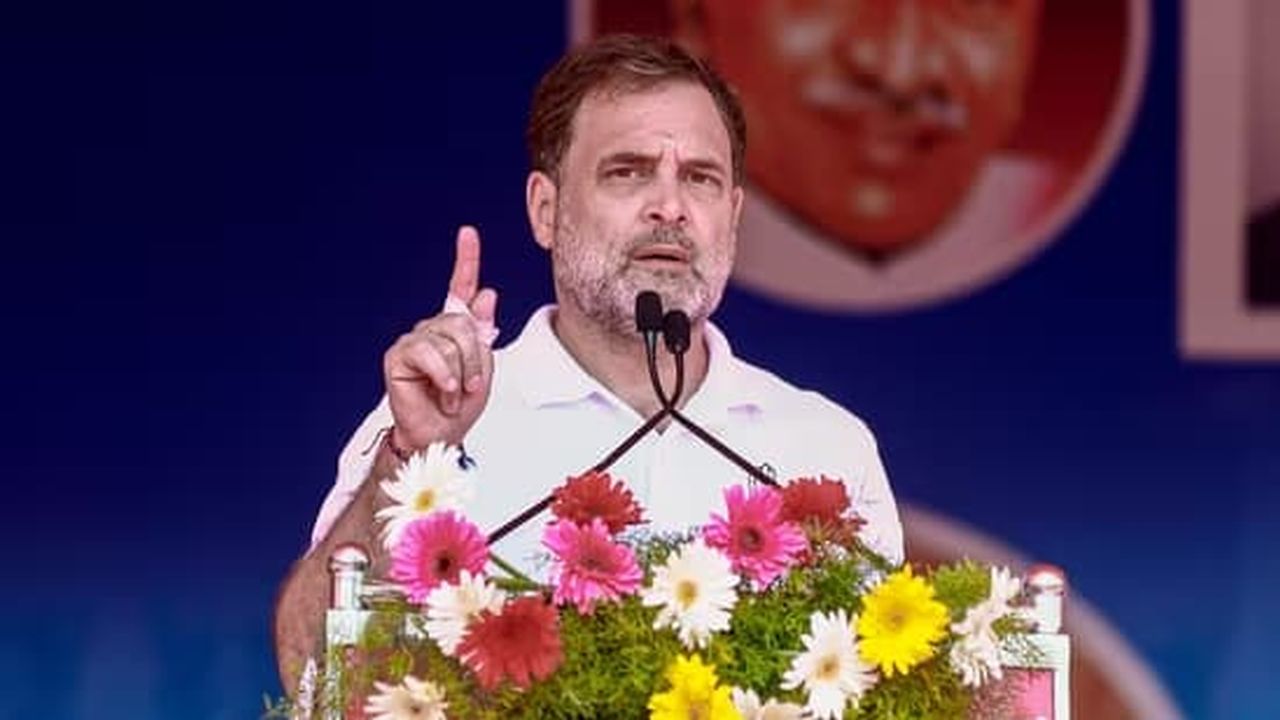
The Madras High Court has dismissed a Public Interest Litigation (PIL) seeking directions to the Election Commission regarding alleged irregularities in the 2024 general election voter list. The petitioner argued that the Commission should provide an explanation on the claims raised during a press conference by opposition leader Rahul Gandhi.
High Court finds petition misleading
In its order, the High Court said the petition was “completely misleading and without any basis.” The bench added that the plea lacked credible material and relied only on allegations and counter-allegations made on certain platforms.
₹1 lakh penalty imposed
The court further noted that the petition was vague and failed to include adequate facts and details. Due to this lack of clarity, the bench stated that it could not issue directions to the Election Commission to explain its position. While dismissing the case, the court imposed a penalty of ₹1 lakh on the petitioner, which must be deposited with the Tamil Nadu State Legal Services Authority.
No opinion on merits of case
The High Court clarified that it had not expressed any opinion on the merits of the allegations. It added that the Election Commission remains free to independently evaluate and take decisions on such issues as per law.
What the petitioner had demanded
In his plea, the petitioner had argued, “The court should direct the respondent to present voter list data of all constituencies in a machine-readable format before this court and make it publicly available. Along with this, a detailed status report of all actions, inquiries, audits, and measures taken in response to these allegations must also be shared. This will help maintain transparency, public confidence, and uphold the constitutional mandate of free and fair elections under Articles 324, 14, and 19(1)(a) of the Constitution.”

 Akshay Didwaniya